

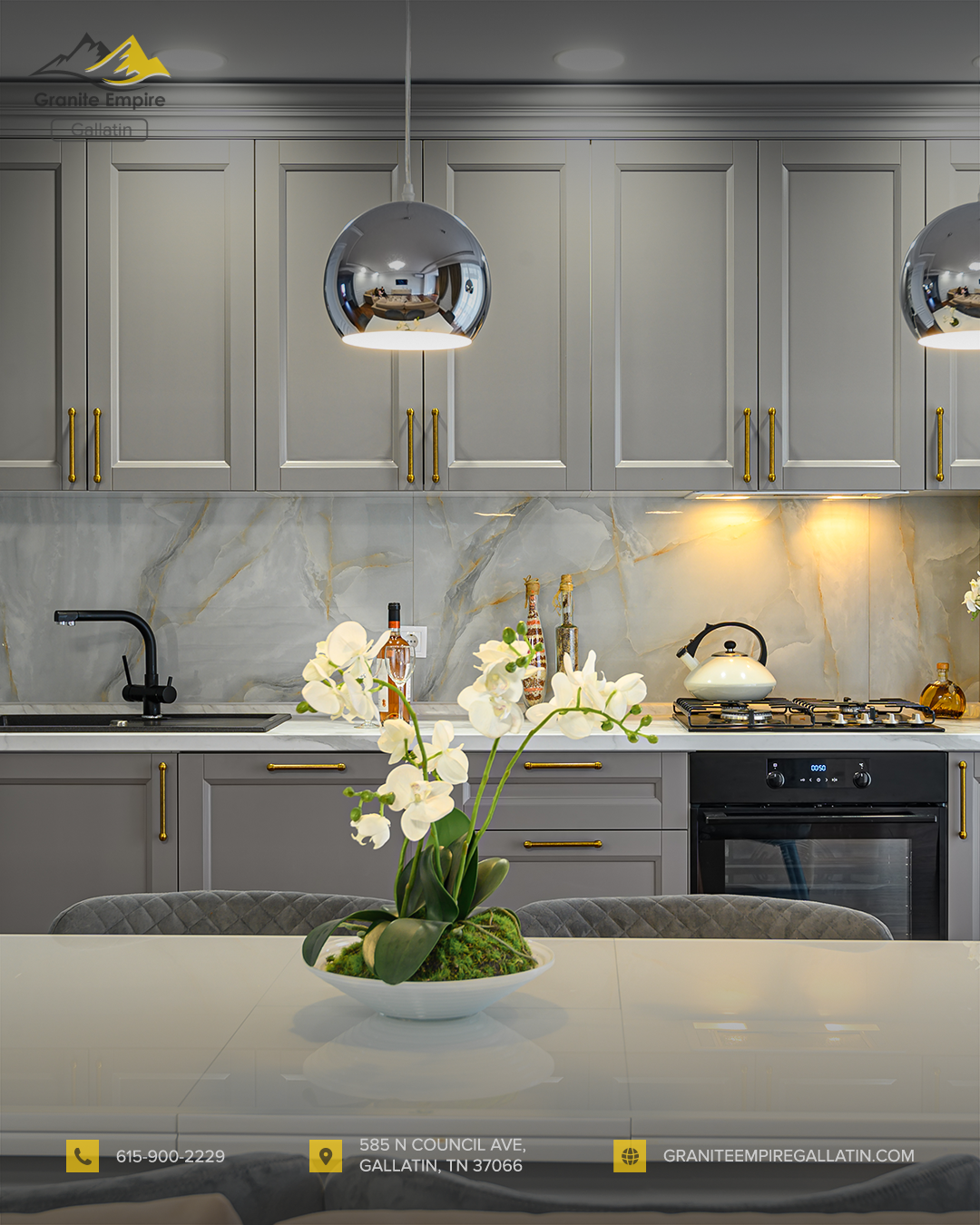
Choosing a countertop involves more than color, style, and price. Homeowners also need to consider how much time and effort the surface will require to keep it looking its best. The lowest-maintenance countertop is generally engineered quartz because it is nonporous, resists many everyday stains, and does not typically require sealing. However, porcelain, solid surface, and other materials can also be practical choices depending on your budget and lifestyle.
At Granite Empire of Gallatin, we understand that homeowners want countertops that combine attractive design with everyday convenience. Comparing maintenance requirements before choosing a material can help you avoid unnecessary cleaning routines, ongoing treatments, and unexpected repair expenses.
If you are exploring countertops Murfreesboro, TN, understanding the differences between quartz, granite, porcelain, and other surfaces can help you select an option that suits your home and your daily routine.
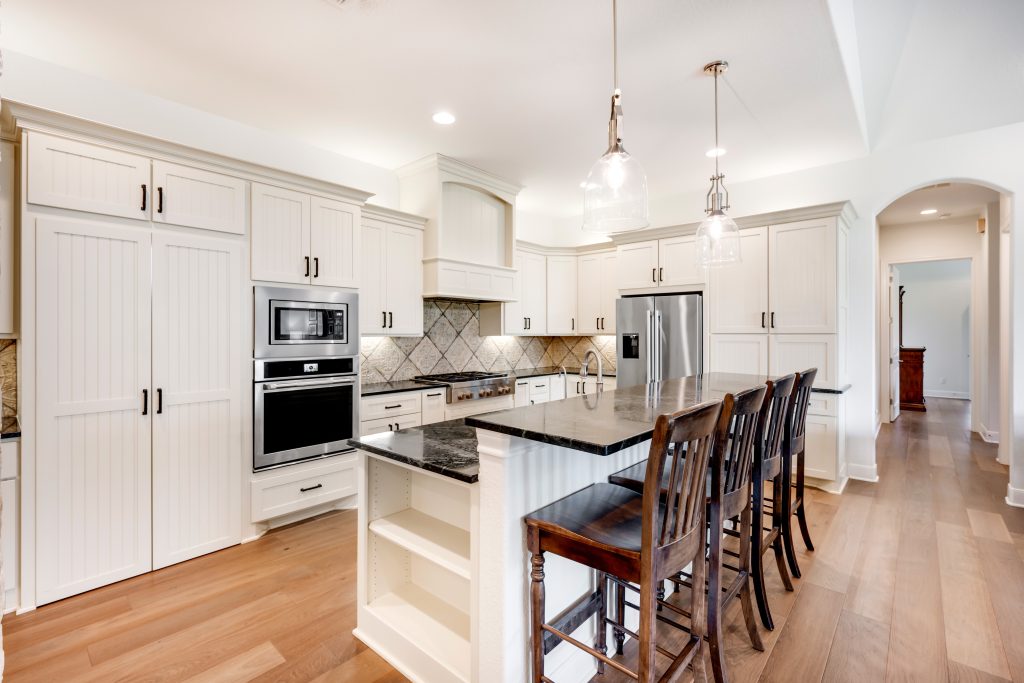
Which Countertop Material Requires the Least Maintenance?
Engineered quartz is one of the easiest countertop materials to maintain because it is nonporous and generally does not require periodic sealing. Its surface resists many common household stains, and regular cleaning usually requires only mild soap, water, and a soft cloth.
Quartz is manufactured using quartz minerals, resins, and pigments. This production process creates a consistent surface that is available in a wide range of colors and patterns.
Popular quartz brands include Cambria, Caesarstone, and Silestone. Their collections include white surfaces with subtle veining, warm neutral colors, and darker contemporary designs.
The main benefits of quartz include:
- No routine sealing is generally required.
- The nonporous surface resists many common stains.
- Everyday cleaning is straightforward.
- Numerous colors and patterns are available.
- Consistent designs make it easier to coordinate kitchen surfaces.
However, quartz is not completely maintenance-free. Hot cookware can damage the resin in the material, so trivets are recommended. Abrasive cleaners and certain harsh chemicals should also be avoided.
For homeowners comparing countertops Murfreesboro, TN, quartz is a strong option if convenience and a predictable appearance are high priorities.
Is Quartz Easier to Maintain Than Granite?
Yes, quartz is generally easier to maintain than granite because it does not usually require sealing, while some granite varieties benefit from periodic sealing. Both materials are durable, attractive options, but they have different care requirements.
Granite is a natural stone with distinctive mineral patterns. Because its porosity varies, maintenance needs depend on the particular slab, its finish, and the sealer used.
Quartz offers a more consistent maintenance routine, while granite appeals to homeowners who appreciate natural variation and the character of genuine stone.
| Feature | Engineered quartz | Granite |
|---|---|---|
| Routine sealing | Generally unnecessary | May be required periodically |
| Daily cleaning | Mild soap and water or suitable cleaner | Stone-safe cleaner and soft cloth |
| Stain resistance | Generally high | Depends on porosity and sealing |
| Heat resistance | Use trivets; resin can be damaged by heat | Generally tolerates brief heat exposure better, but thermal shock is possible |
| Appearance | Consistent patterns and colors | Unique natural patterns |
| Maintenance level | Low | Low to moderate |
Granite is not necessarily difficult to maintain. Many homeowners find that wiping up spills promptly and following the recommended sealing schedule is sufficient for everyday care.
When considering countertops Murfreesboro, TN, compare the maintenance routine you prefer with the appearance and performance of each material. The best choice is the one that fits your household rather than simply the one that requires the fewest steps.
Is Porcelain a Good Low-Maintenance Countertop?
Yes, porcelain is an excellent low-maintenance countertop option because it is nonporous, resists many stains, and generally does not require sealing. It is manufactured from refined mineral materials and fired at high temperatures to create a dense surface.
Porcelain slabs are available in finishes that resemble marble, concrete, limestone, and other natural materials. Some collections also feature large-format designs that help reduce the number of visible seams.
Benefits of porcelain countertops include:
- Strong resistance to stains and moisture.
- No routine sealing requirement in typical applications.
- Good resistance to heat.
- A broad selection of colors and finishes.
- UV resistance in many products, making suitable varieties useful in areas with direct sunlight.
Porcelain does have limitations. Its surface and edges can chip under a strong impact, and fabrication requires specialized tools and experience. Repairs can also be difficult to blend seamlessly, particularly with patterned slabs.
Porcelain countertop installation commonly costs approximately $50–$150 or more per square foot, depending on the product, fabrication, edge details, and project complexity.
If you want a contemporary surface that requires minimal routine care, porcelain is worth comparing with quartz and granite.
Are Solid-Surface Countertops Easy to Clean?
Yes, solid-surface countertops are generally easy to clean because they are nonporous and can often be repaired if minor scratches occur. Materials such as Corian are commonly used in kitchens, bathrooms, laundry rooms, and other areas where straightforward maintenance is important.
Solid-surface countertops are typically manufactured from acrylic or polyester resins combined with mineral fillers. They offer a smooth, uniform appearance and can sometimes be fabricated with integrated sinks for a seamless look.
Their main advantages include:
- Routine cleaning with mild soap and water.
- No regular sealing in typical applications.
- A wide selection of colors.
- Repairability for some minor scratches and surface damage.
- Seamless design possibilities.
However, solid-surface materials are generally less heat-resistant than granite and porcelain. Hot cookware should never be placed directly on the surface unless the manufacturer specifically permits it.
Typical installed costs range from approximately $35–$100 per square foot, although premium designs and complicated installations can cost more.
Solid surface can be a practical choice for homeowners who prioritize easy cleaning, simple designs, and repairability over the appearance of natural stone.
How Much Maintenance Do Different Countertop Materials Need?
Quartz, porcelain, and solid surface are among the easiest countertop materials to maintain, while granite and marble may require additional care depending on the stone and finish. Laminate is also easy to clean, although it has different limitations involving heat, scratches, and moisture at seams.
The following comparison can help you narrow your options.
| Material | Typical installed cost per sq. ft. | Sealing required? | General maintenance |
|---|---|---|---|
| Engineered quartz | $50–$120 | No | Low |
| Porcelain | $50–$150+ | Generally no | Low |
| Solid surface | $35–$100 | No | Low |
| Granite | $40–$100 | Sometimes | Low to moderate |
| Laminate | $20–$50 | No | Low |
| Marble | $60–$150+ | Often recommended | Moderate to high |
Prices are approximate U.S. estimates. Actual costs vary by brand, slab selection, thickness, fabrication, edge profiles, cutouts, removal, and installation requirements.
For example, a 40-square-foot quartz countertop at $70 per square foot would cost approximately $2,800 before any additional project expenses not included in the quoted rate.
When budgeting for countertops Murfreesboro, TN, request an estimate that clearly identifies material, fabrication, installation, and any additional services. A lower material price does not always mean a lower total project cost.
What Should You Avoid to Keep Countertops Low-Maintenance?
You should avoid harsh cleaners, prolonged spills, excessive heat, and improper use of the countertop, regardless of the material you choose. Low-maintenance surfaces still need basic care to preserve their appearance and prevent damage.
Follow these simple habits:
- Avoid abrasive cleaners: Steel wool and scouring powders may scratch or dull some finishes.
- Use cutting boards: Knives can damage surfaces or lose their sharpness.
- Clean spills promptly: Coffee, oils, wine, and strongly colored liquids should not be left sitting unnecessarily.
- Use trivets: Even heat-resistant materials can be affected by sudden temperature changes or extreme heat.
- Follow product instructions: Cleaners and protective treatments should be compatible with your countertop.
- Avoid excessive force: Heavy impacts can chip edges or damage seams.
For quartz, pay particular attention to heat protection. For granite, follow the recommended sealing schedule if your stone requires it. For porcelain, avoid strong impacts near exposed edges.
These small precautions can help reduce maintenance and repair expenses over time.
How Long Does Countertop Installation Take?
Most countertop projects take approximately one to three weeks from final material selection to installation, although the schedule depends on product availability, measurements, fabrication, and installer availability. The installation itself often takes several hours to one day for a standard kitchen.
The typical process includes:
- Material selection: Choose the color, pattern, thickness, and finish.
- Templating: Measure the cabinets and determine sink and cooktop openings.
- Fabrication: Cut the slab, finish edges, and prepare cutouts.
- Installation: Position the countertop, secure it, and complete the seams.
- Final coordination: Arrange any necessary sink, faucet, or plumbing work.
Fabrication often takes several business days after templating, but custom designs and complicated layouts may require additional time.
At Granite Empire of Gallatin, homeowners can discuss material selection, countertop fabrication, and installation requirements when planning a kitchen or bathroom renovation. Confirm the expected schedule before work begins, especially if the project involves removing existing countertops or coordinating other trades.
How Can You Choose the Best Low-Maintenance Countertop for Your Home?
The best low-maintenance countertop depends on your budget, design preferences, cooking habits, and tolerance for routine care. Quartz is an excellent starting point for homeowners seeking a balance of stain resistance, easy cleaning, and design variety.
Consider quartz if you want a nonporous surface with consistent patterns and minimal maintenance. Choose porcelain if heat resistance and a wide range of contemporary designs are important. Solid surface may be suitable if you prefer a smooth, uniform finish and the option of repairing certain minor scratches.
Granite remains a good choice if you appreciate natural stone and are comfortable following the care recommendations for your particular slab.
Before making a decision, compare samples with your cabinetry, flooring, backsplash, and lighting. Ask about cleaning products, heat limitations, sealing requirements, and warranty coverage.
For homeowners shopping for countertops Murfreesboro, TN, seeing material samples and discussing installation details can make it easier to choose a surface that balances appearance, cost, and convenience.
Frequently Asked Questions About Low-Maintenance Countertops
Which countertop is easiest to clean every day?
Engineered quartz is one of the easiest options because its nonporous surface generally resists common stains and does not require routine sealing. Mild soap, water, and a soft cloth are usually sufficient for everyday cleaning.
Do quartz countertops need to be sealed?
No. Engineered quartz generally does not require sealing. Always follow the manufacturer’s cleaning and care recommendations for your specific product.
Is granite a high-maintenance countertop?
Not necessarily. Granite typically requires routine cleaning and, for some varieties, periodic sealing. The maintenance level depends on the stone’s porosity, finish, and use.
Which countertop is the most affordable?
Laminate is often one of the most affordable options, with typical installed prices around $20–$50 per square foot. Granite, quartz, and porcelain offer different advantages at generally higher price points.
Can I put hot pans on quartz?
You should use trivets or hot pads. Excessive heat can damage the resin in engineered quartz, potentially causing discoloration or other surface damage.
How long do low-maintenance countertops last?
Quartz, granite, porcelain, and solid-surface countertops can last for many years when properly installed and cared for. Actual lifespan depends on material quality, usage, installation, and maintenance.
How much does a low-maintenance countertop cost?
Typical installed prices range from approximately $35–$150 or more per square foot, depending on the material. A project-specific estimate is necessary to determine the final cost.
Where Can You Find Countertops in the Murfreesboro Area?
Choosing a low-maintenance countertop can make everyday kitchen and bathroom care easier while helping preserve the appearance of your renovation. Quartz, porcelain, solid surface, and granite each offer different benefits, so comparing their maintenance needs alongside their appearance and cost is the best way to make an informed decision.
Granite Empire of Gallatin provides countertop material selection, fabrication, and installation services for residential projects. Our team can help you explore available surfaces and discuss the requirements of your kitchen or bathroom renovation.
Address: 585 N Council Ave, Gallatin, TN 37066
Phone: (615) 900-2229
Services: Countertop material selection, fabrication, and installation for residential projects.
Contact Granite Empire of Gallatin to discuss your project, compare countertop materials, and find a surface that fits your home, budget, and maintenance preferences.
