


Quartz has quietly become one of the most influential materials in modern kitchen design. Not because it tries to impress at first glance, but because of how it behaves over time. Homeowners often describe the effect the same way: the kitchen feels more polished, more intentional, and somehow more expensive than before. This isn’t about shine alone. It’s about proportion, consistency, and how the surface supports the entire space without demanding attention.
Below are the most important questions homeowners ask when they want a kitchen that looks elevated rather than overdone, and honest, experience-based answers that explain why quartz plays such a powerful role.
Why do quartz countertops immediately elevate the look of a kitchen?
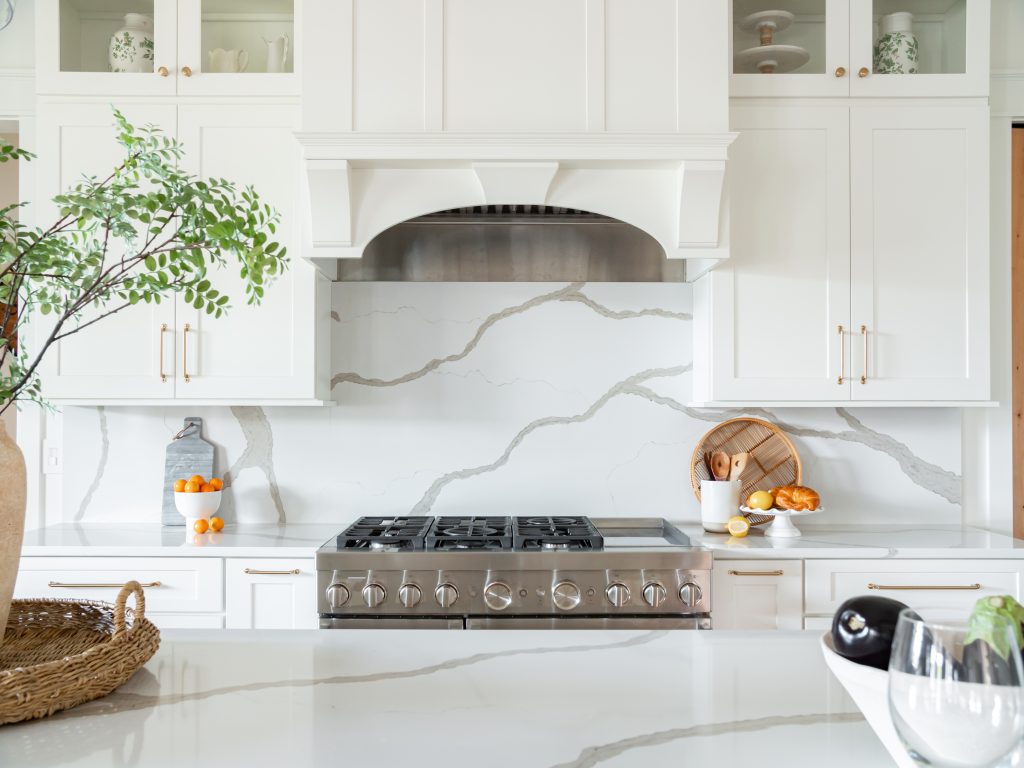
The sense of “expensive” in a kitchen rarely comes from bold features. It usually comes from restraint. Quartz works so well because it creates visual calm. Its consistency allows cabinetry, lighting, and layout to stand out without visual noise competing for attention.
Unlike many natural stones with heavy movement, quartz offers controlled patterning. That control creates cleaner sightlines across the kitchen, especially in open layouts. Islands look more architectural. Perimeter counters feel intentional instead of busy. The eye reads the space as designed, not assembled.
This effect is amplified when quartz is fabricated and installed with precision. Clean edges, well-planned seams, and proportional overhangs all contribute to the finished look. That’s why working with experienced countertop fabricators in Lewisburg, TN matters more than the slab itself. When the fabrication is done correctly, quartz doesn’t just sit in the kitchen. It defines it.
At Granite Empire of Nashville, we see this transformation often. Kitchens don’t become louder with quartz. They become quieter, and that quiet is what signals quality.
Is quartz really more “luxurious” than natural stone?
Luxury today is less about rarity and more about experience. A surface that looks flawless on day one but feels stressful to live with rarely feels luxurious for long. Quartz delivers a different kind of value: predictability.
Quartz doesn’t etch. It doesn’t patina unevenly. It doesn’t develop visual wear patterns that distract from the design. Instead, it holds its appearance steady year after year. That consistency creates confidence. Homeowners stop thinking about the surface and start using the kitchen freely.
Luxury also shows up in how light interacts with the material. Quartz reflects light evenly, which enhances brightness without glare. This makes kitchens feel larger and cleaner, especially when paired with thoughtful lighting design. Over time, that balanced reflection contributes to the perception of a high-end space rather than a high-maintenance one.
When homeowners work with skilled countertop fabricators in Lewisburg, TN, quartz becomes less about imitation and more about intention. It’s not trying to look like marble. It’s designed to perform as itself, and that clarity is what reads as upscale.
What role does fabrication play in making quartz look expensive?
Quartz’s reputation often rises or falls based on fabrication quality. Because the material itself is consistent, imperfections in cutting, edge finishing, or seam placement stand out more than they would in heavily veined stone.
Professional fabrication ensures that seams align with natural breaks in cabinetry or appliances. Edges are crisp without feeling sharp. Corners are balanced rather than bulky. These details are subtle, but they are exactly what the eye notices subconsciously.
Poor fabrication can make quartz feel flat or artificial. Precision fabrication gives it weight and presence. That’s why choosing experienced countertop fabricators is a defining factor in whether a quartz kitchen feels average or refined.
Granite Empire of Nashville approaches quartz projects with the same attention traditionally reserved for high-end natural stone. That mindset is what allows quartz to elevate the entire kitchen rather than just fill a surface.
Does quartz make resale value stronger, or is that a myth?
Resale value is less about material labels and more about first impressions. Buyers respond to kitchens that feel cohesive, clean, and easy to maintain. Quartz checks all three boxes.
Because quartz maintains its appearance so well, it often looks newer than other surfaces at the time of resale. There’s no visible etching, no discoloration near sinks, and no uneven wear that signals age. Buyers see a kitchen that feels move-in ready, which carries real psychological value.
Quartz also photographs extremely well, which matters more than ever in online listings. Even lighting, minimal visual noise, and clean edges translate into stronger images. That visual strength can directly influence buyer interest.
Homes that feature quartz installed by reputable countertop fabricators in Lewisburg, TN tend to present as thoughtfully upgraded rather than recently remodeled. That distinction matters. It suggests quality decisions rather than trend chasing.
Can quartz still look custom, or does it feel mass-produced?
This is one of the most common concerns homeowners have, and it’s a fair one. Quartz is widely available, which means the difference between ordinary and exceptional comes down to design decisions.
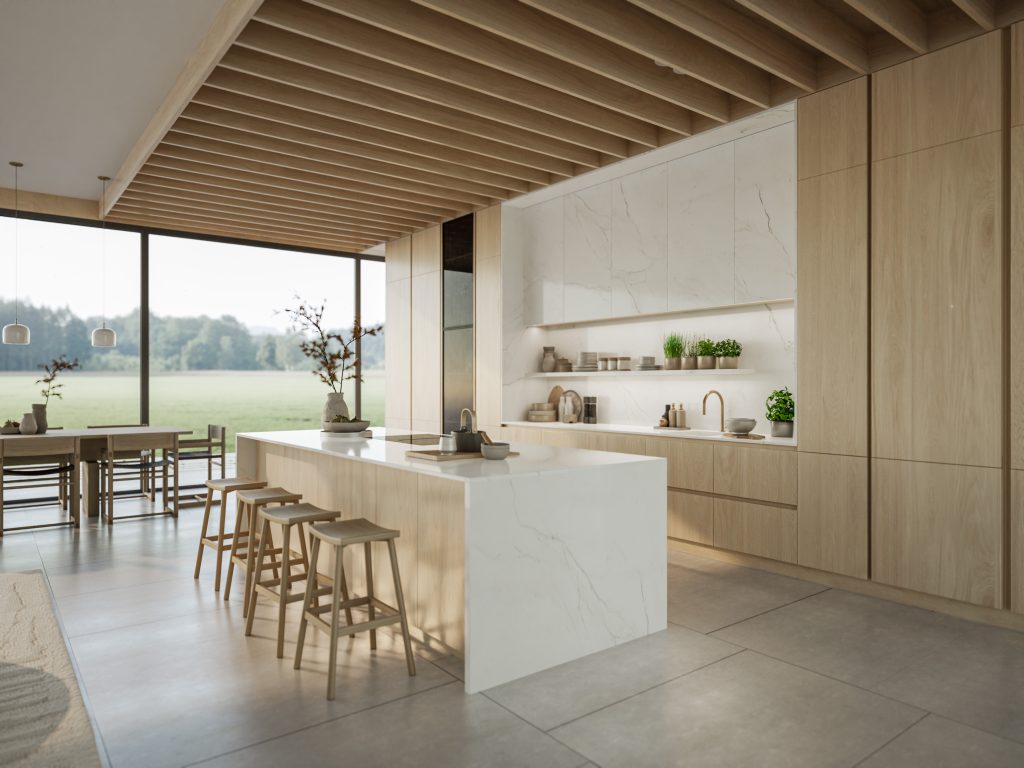
Thickness selection, edge profiles, slab orientation, and integration with backsplashes all influence how custom quartz feels. Waterfall islands, full-height backsplashes, and extended surfaces can transform a standard slab into a statement element.
Custom doesn’t mean complicated. It means intentional. When quartz is used to reinforce the architecture of the kitchen rather than decorate it, the result feels bespoke.
That level of customization requires collaboration between homeowner, designer, and fabricator. Experienced countertop fabricators in Lewisburg, TN understand how small choices affect the final impression. They know when to let quartz remain subtle and when to let it take the lead.
Why does quartz age better visually than many other materials?
A kitchen surface doesn’t age in isolation. It ages alongside lighting changes, appliance upgrades, and shifting décor. Quartz’s neutrality allows it to adapt without clashing.
As styles evolve, quartz continues to support the space rather than define it too narrowly. This is especially important in kitchens that are meant to last a decade or more without major renovation.
Because quartz doesn’t develop visible wear patterns, homeowners don’t feel pressure to replace it prematurely. The surface remains visually stable even as other elements change around it.
This long-term visual stability is one of the reasons quartz contributes to a kitchen that feels expensive not just at installation, but years later. It doesn’t demand replacement to stay relevant.
Granite Empire of Nashville has seen many kitchens where quartz quietly becomes the longest-lasting design decision in the room.
Why does restraint often look more expensive than bold design?
The most expensive-looking kitchens rarely rely on dramatic features. Instead, they rely on proportion, balance, and restraint. Quartz naturally supports this approach.
By reducing visual noise, quartz allows cabinetry details, hardware finishes, and architectural lines to stand out. The result is a kitchen that feels curated rather than crowded.
This restraint also makes the space feel calmer, which homeowners often associate with quality. A kitchen that feels calm feels intentional. And intention is one of the strongest signals of value.
When quartz is fabricated and installed correctly, it doesn’t compete for attention. It creates a foundation that lets everything else look better.
