


The best material for a kitchen countertop depends on your budget, cooking habits, preferred design, and willingness to perform regular maintenance. Quartz is an excellent choice for homeowners who want a low-maintenance surface, granite appeals to those who appreciate natural stone, and marble offers distinctive veining for an elegant kitchen. Other options, including quartzite, laminate, and butcher block, may also suit specific needs.
At Granite Empire of Gallatin, we understand that choosing a countertop is an important part of planning a kitchen renovation. The right material should complement your cabinets and flooring while providing the durability and functionality you need for everyday use.
If you are researching kitchen countertops Murfreesboro, TN, comparing materials before making a decision can help you find the right combination of style, performance, and long-term value.
What Is the Best Overall Material for a Kitchen Countertop?
Quartz is one of the best all-around choices for a kitchen countertop because it combines durability, a wide range of designs, and relatively simple maintenance. However, granite may be a better fit if you prefer natural stone, while quartzite can be appealing if you want a natural surface with a marble-like appearance and generally good hardness.
Each material offers different advantages. The best choice depends on which characteristics matter most in your kitchen.
Consider these common priorities:
- Low maintenance: Engineered quartz generally does not require routine sealing.
- Natural beauty: Granite, marble, and quartzite offer distinctive natural patterns.
- Heat resistance: Granite and quartzite generally tolerate heat better than engineered quartz, although trivets are recommended for all countertop materials.
- Budget: Entry-level granite and some quartz options can offer competitive pricing.
- Design flexibility: Quartz is available in a broad range of colors and manufactured patterns.
- Traditional style: Marble and butcher block can complement classic or farmhouse-inspired kitchens.
When exploring kitchen countertops Murfreesboro, TN, consider how you use your kitchen every day. A household that cooks frequently may prioritize durability and easy cleaning, while a homeowner planning a decorative kitchen may focus more heavily on color, veining, and finish.
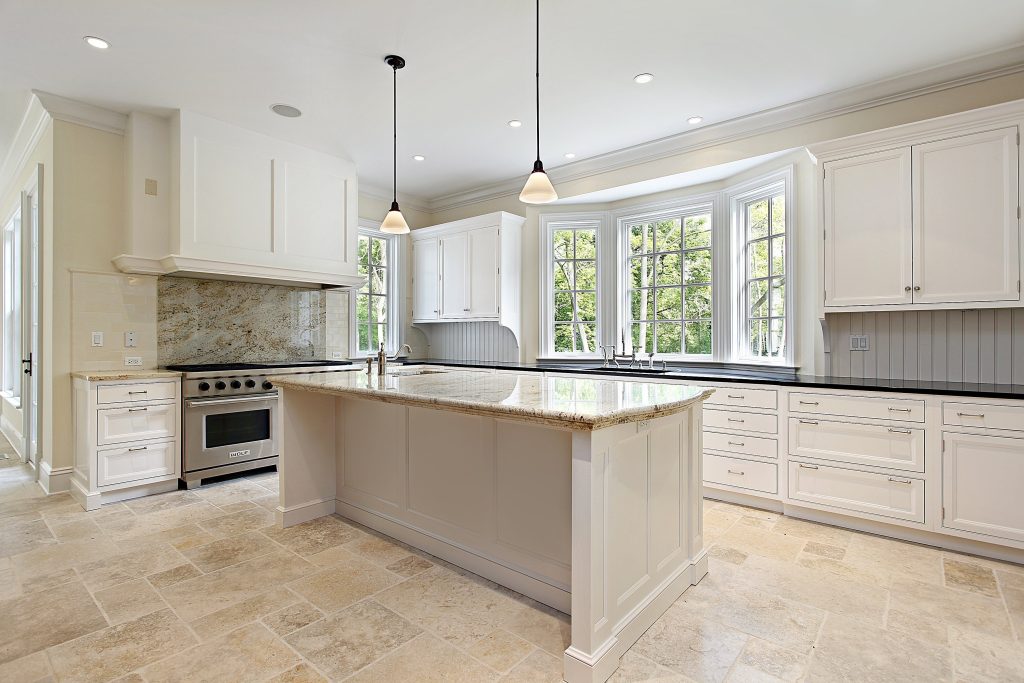
How Do Quartz, Granite, Marble, and Quartzite Compare?
Quartz, granite, marble, and quartzite are all popular countertop choices, but they differ in composition, maintenance, appearance, and price. Understanding these differences makes it easier to narrow down your options.
| Material | Estimated installed cost per square foot | Maintenance | Main advantage | Main consideration |
|---|---|---|---|---|
| Engineered quartz | $50–$120 | Generally low | Consistent designs and easy routine care | Can be damaged by excessive heat |
| Granite | $40–$100 | Low to moderate | Natural patterns and good durability | Some varieties require sealing |
| Marble | $60–$150+ | Moderate to high | Elegant veining and timeless appearance | Can etch and stain |
| Quartzite | $70–$150+ | Low to moderate | Natural beauty and good hardness | Often more expensive; sealing may be needed |
| Laminate | $20–$50 | Low | Affordable and available in many designs | Less resistant to heat and surface damage |
| Butcher block | $40–$100 | Moderate to high | Warm, natural wood appearance | Requires appropriate care and moisture control |
These are general budgeting estimates, not guaranteed local prices. Actual costs vary by brand, slab selection, thickness, fabrication, edge profile, cutouts, and installation complexity.
For example, MSI Q Quartz offers engineered quartz options in a variety of colors and patterns. Granite is available in numerous natural varieties, while marble selections may include popular styles such as Carrara and Calacatta. Quartzite slabs can feature dramatic veining that resembles marble while offering different physical characteristics.
The most suitable material is not necessarily the most expensive one. When comparing kitchen countertops Murfreesboro, TN, evaluate individual products and installed quotes rather than relying on the material name alone.
Is Quartz a Good Choice for a Busy Kitchen?
Yes, engineered quartz is an excellent option for many busy kitchens because it is durable, nonporous, and easy to clean. It is manufactured using natural quartz minerals, resins, pigments, and other components, allowing producers to create consistent colors and patterns.
Quartz is particularly useful for households that want an attractive countertop without the regular sealing that some natural stones require.
Its main advantages include:
- Simple everyday cleaning: A soft cloth, warm water, and mild dish soap are usually sufficient.
- Low porosity: The surface generally resists liquid absorption better than many untreated natural stones.
- Design variety: Options include solid colors, subtle patterns, and marble-inspired veining.
- Consistent appearance: Manufactured patterns can provide a more uniform look across the kitchen.
- Versatile styling: Quartz works well with contemporary, transitional, and traditional cabinetry.
Popular manufacturers include Caesarstone, Cambria, Silestone by Cosentino, and MSI Q Quartz. Each offers different collections, so the appearance, specifications, and pricing depend on the product selected.
Quartz does have limitations. It is not heatproof, and direct contact with a hot pan can damage the resin. Always use trivets for hot cookware and cutting boards when preparing food.
If you want a countertop that combines a modern appearance with straightforward maintenance, quartz is worth considering when selecting kitchen countertops Murfreesboro, TN.
Is Granite Better Than Quartz for Kitchen Countertops?
Granite may be the better choice if you prefer natural stone, distinctive mineral patterns, and generally stronger heat tolerance than engineered quartz. Each granite slab has its own natural variations, making it appealing to homeowners who want a countertop with individual character.
Granite is a natural igneous rock formed through geological processes. Its appearance can range from subtle gray and white patterns to dramatic combinations of black, gold, brown, and other colors.
Key advantages include:
- Natural variation: Each slab has a unique combination of mineral colors and patterns.
- Durability: Granite is generally resistant to everyday wear when properly maintained.
- Heat tolerance: It usually handles heat better than engineered quartz, although thermal shock can still cause damage.
- Design flexibility: Granite works well in traditional, transitional, and contemporary kitchens.
- Broad price range: Common varieties may be relatively affordable, while rare stones can be considerably more expensive.
Some granite surfaces require periodic sealing to help reduce staining. The frequency depends on the stone’s porosity, the sealer used, and the manufacturer’s or fabricator’s recommendations.
Granite is not indestructible. Heavy impacts, improper cleaning products, and sudden temperature changes can damage the surface. Using trivets and following suitable care instructions helps preserve its appearance.
For homeowners who value natural stone and want a countertop that can complement a wide range of kitchen designs, granite remains a strong option.
Should You Choose Marble for Your Kitchen Countertop?
Marble is a good choice if appearance is your highest priority and you are comfortable with additional maintenance. Its distinctive veining and elegant surface can create a luxurious look that is difficult to replicate exactly with other materials.
Carrara marble is known for its softer gray veining, while Calacatta marble often features more dramatic patterns and a brighter background. These are natural stones, so the exact appearance varies from slab to slab.
Marble offers several benefits:
- A timeless, high-end appearance.
- Natural veining and distinctive patterns.
- A wide range of colors and visual styles.
- A surface that can develop character over time.
However, marble is more susceptible to etching from acidic substances such as lemon juice, vinegar, and certain cleaning products. It can also stain if spills are not cleaned promptly.
If you enjoy cooking with acidic ingredients or want a countertop that requires minimal attention, marble may not be the most practical choice for every part of the kitchen. You could also consider using marble on an island or a baking area while choosing a more maintenance-friendly material for the main work surfaces.
Before choosing marble, discuss sealing, cleaning, and stain prevention with your countertop provider.
How Much Should You Budget for New Kitchen Countertops?
Most homeowners should compare installed prices rather than material prices alone. The final cost typically includes the countertop material, templating, fabrication, edge finishing, cutouts, and installation, although the exact services included in a quote can vary.
For an initial estimate, consider a kitchen with approximately 35 square feet of countertop space.
| Material | Illustrative installed price per square foot | Estimated total for 35 sq. ft. |
|---|---|---|
| Laminate | $20–$50 | $700–$1,750 |
| Granite | $40–$100 | $1,400–$3,500 |
| Quartz | $50–$120 | $1,750–$4,200 |
| Marble | $60–$150+ | $2,100–$5,250+ |
| Quartzite | $70–$150+ | $2,450–$5,250+ |
These figures are estimates for budgeting purposes, not formal quotes. Additional costs may apply for removing existing countertops, modifying cabinets, plumbing reconnections, backsplashes, or complicated layouts.
Several factors influence the final price:
- Material selection: Premium colors and rare slabs generally cost more.
- Countertop dimensions: Larger kitchens require more material.
- Edge profiles: Decorative edges may increase fabrication costs.
- Sink and cooktop cutouts: The number and complexity of cutouts affect labor.
- Installation conditions: Cabinet adjustments or difficult access may increase project costs.
At Granite Empire of Gallatin, we help homeowners evaluate countertop materials and plan projects around their preferred designs and budgets. Comparing specific slabs and reviewing what each estimate includes can help you make a more informed decision.
How Long Does Kitchen Countertop Installation Take?
A typical countertop project may take approximately one to three weeks from final measurements to installation, depending on material availability, fabrication schedules, and project complexity. The installation itself often takes several hours to one day for a standard kitchen.
The process usually includes the following stages:
- Material selection: This may take a day or several weeks, depending on your preferences and product availability.
- Templating: A specialist measures the countertop area once the cabinets are ready.
- Fabrication: Cutting, finishing edges, and preparing sink or cooktop cutouts can take several business days to two weeks, depending on the schedule.
- Installation: A straightforward project may be completed in one day.
- Final inspection: The installer checks the fit, seams, edges, and cutouts.
These timelines are approximate. A large kitchen, unusual countertop dimensions, unavailable materials, or required cabinet adjustments can extend the schedule.
Planning ahead can make the process smoother. Choose your material early, confirm that cabinets are ready for measurements, and ask your countertop provider for a project-specific timeline before scheduling other renovation work.
How Can You Choose the Right Countertop for Your Home?
You can choose the right countertop by balancing your budget, maintenance preferences, cooking habits, and design goals. Instead of focusing on a single feature, consider how the material will perform in your kitchen over time.
Use this checklist to compare your options:
- Set a realistic budget: Include material, fabrication, installation, and any additional work.
- Think about daily use: Consider how often you cook and whether you regularly place hot cookware on your counters.
- Choose your preferred appearance: Decide whether you prefer consistent manufactured patterns or natural stone variation.
- Evaluate maintenance: Determine whether you are comfortable with periodic sealing or additional care.
- Compare samples: Look at colors and patterns alongside your cabinets, flooring, and backsplash.
- Ask about warranties: Review the manufacturer’s terms and any applicable installation coverage.
- Request an itemized quote: Confirm which services and materials are included in the price.
When researching kitchen countertops Murfreesboro, TN, it is helpful to visit a showroom and examine samples in person. Lighting can change how a color appears, and seeing the material up close can help you determine whether its pattern and finish fit your vision.
At Granite Empire of Gallatin, we provide countertop selection, fabrication, and installation services to help homeowners make practical, design-conscious decisions for kitchen projects. Our team can discuss available materials, project requirements, and the details that affect pricing and scheduling.

Frequently Asked Questions About Kitchen Countertop Materials
What is the most durable kitchen countertop material?
Quartz, granite, and quartzite can all be durable choices. Their performance depends on the specific product, installation quality, and how the surface is maintained.
Which countertop is easiest to maintain?
Engineered quartz is generally one of the easiest options to maintain because it is nonporous and usually does not require routine sealing. It still needs protection from excessive heat and abrasive cleaning products.
Is quartz better than granite?
Neither material is universally better. Quartz offers consistent patterns and straightforward maintenance, while granite provides natural variation and generally better heat tolerance.
What is the most affordable kitchen countertop?
Laminate is often among the most affordable options. Some entry-level granite and quartz products can also fit moderate budgets, depending on the slab and installation requirements.
Does granite need to be sealed?
Some granite varieties benefit from periodic sealing, but requirements vary. Follow the recommendations for your specific stone and sealer.
Can I put hot pans on quartz countertops?
No. Use a trivet or heat-resistant mat because high temperatures can damage the resin in engineered quartz.
How long do kitchen countertops last?
Well-maintained quartz, granite, marble, and quartzite countertops can last for many years. Longevity depends on the material, installation, maintenance, and everyday use.
Where Can You Find Kitchen Countertops Near Murfreesboro, TN?
Choosing a kitchen countertop is easier when you can compare materials, review pricing, and discuss your project with an experienced team. Whether you prefer engineered quartz, natural granite, elegant marble, or distinctive quartzite, the right choice should suit your kitchen and your lifestyle.
Granite Empire of Gallatin provides countertop selection, fabrication, and installation services for homeowners planning kitchen and bathroom updates. Contact us to discuss your project, explore material options, and learn more about available styles and installation timelines.
Visit our showroom:
Granite Empire of Gallatin
585 N Council Ave
Gallatin, TN 37066
Phone: (615) 900-2229
Reach out to our team to discuss your countertop project and find a material that works for your home, design preferences, and budget.
