

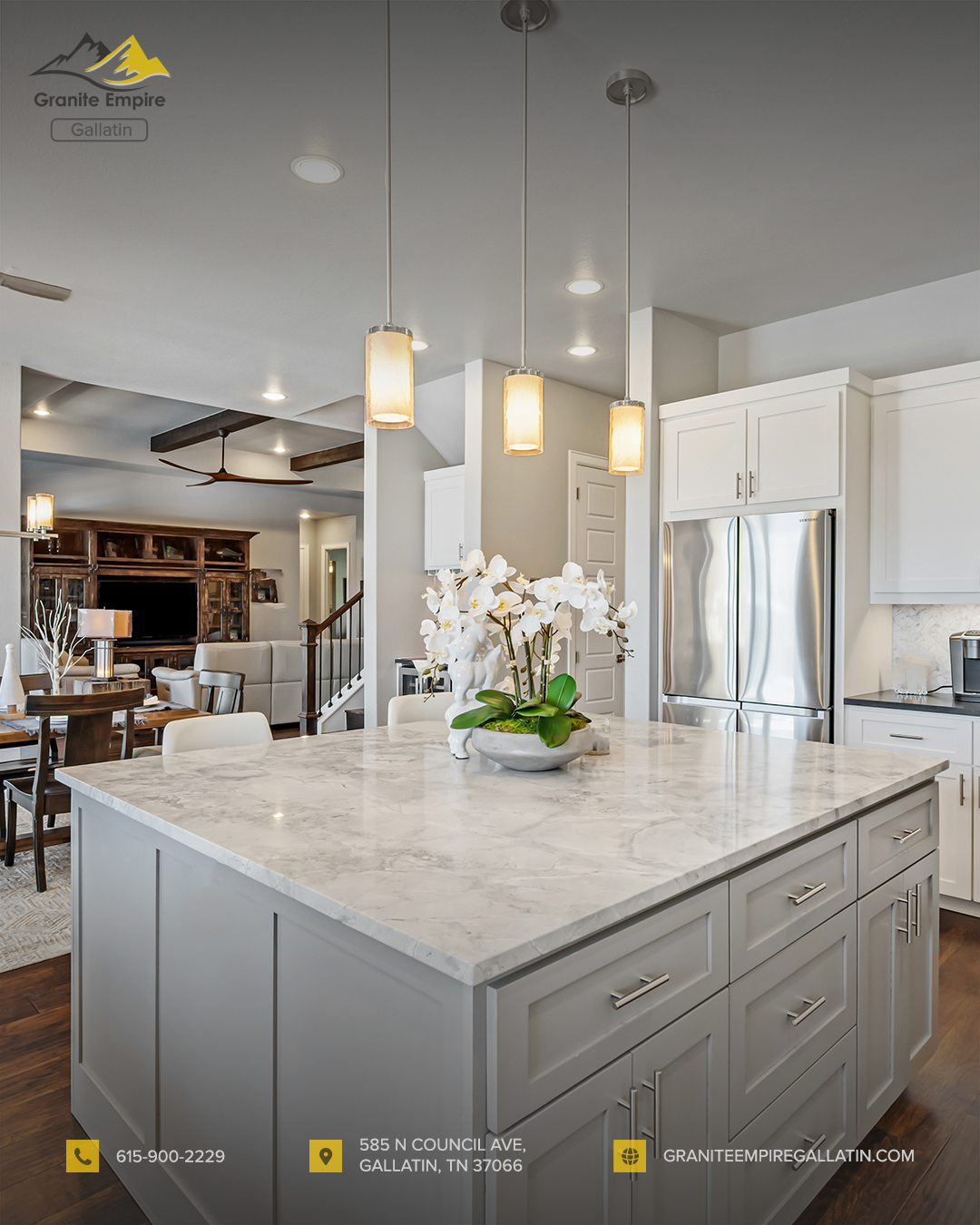
Choosing marble for a kitchen countertop is an excellent way to create a timeless, elegant, and high-end interior. However, not every type of marble performs the same way in a busy kitchen. The best option depends on your cooking habits, preferred appearance, maintenance expectations, budget, and willingness to accept natural patina over time.
For homeowners searching for marble countertops Murfreesboro, TN, the most important factors include the marble’s durability, finish, color, veining, porosity, and compatibility with the kitchen’s overall design. Carrara, Calacatta, and Statuario marble are among the most popular choices, but each offers a different appearance and price range.
Which Type of Marble Is Best for a Kitchen Countertop?
The best marble for a kitchen depends on your priorities, but honed Carrara marble is often one of the most practical choices for homeowners who want an elegant surface with a softer, less glossy appearance. Calacatta marble is ideal for a dramatic luxury kitchen, while Statuario marble is a premium option for homeowners who want bold veining and a sophisticated design.
The most popular marble types for kitchen countertops include:
- Carrara marble: A classic, versatile, and relatively affordable option with soft gray veining.
- Calacatta marble: A luxurious white marble with bold gray or gold veining.
- Statuario marble: A high-end marble known for bright white backgrounds and striking veins.
- Crema Marfil marble: A warm beige marble that works well in traditional and Mediterranean-style kitchens.
- Emperador marble: A brown-toned marble with rich, earthy coloring and dramatic movement.
- Nero Marquina marble: A dark marble with distinctive white veining for a bold, modern appearance.
For many kitchens, Carrara marble provides the best balance of beauty, availability, and price. Calacatta and Statuario are better suited for homeowners who prioritize a statement-making appearance and have a larger countertop budget.
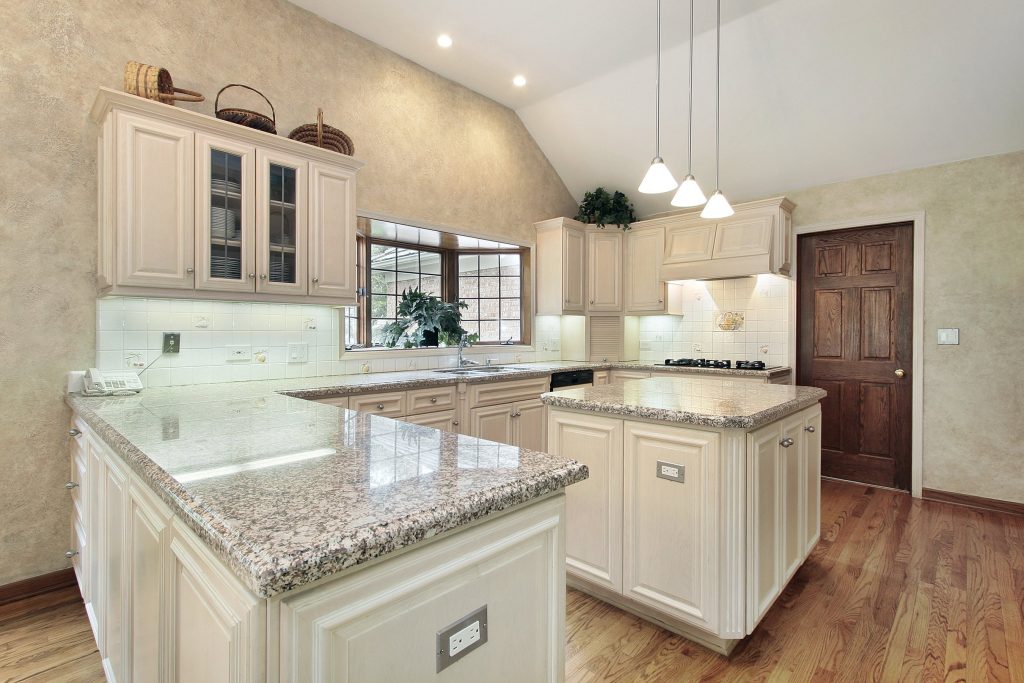
Is Carrara Marble a Good Choice for Kitchen Countertops?
Yes, Carrara marble is one of the best all-around marble options for a kitchen because it offers a classic appearance, versatile coloring, and a more accessible price than many luxury marble varieties. Its white-to-light-gray background and delicate gray veining complement nearly every cabinet color.
Carrara marble is quarried in Italy and is frequently used in:
- Traditional kitchens
- Transitional interiors
- Modern white kitchens
- Farmhouse designs
- Small kitchens that need a light, open appearance
- Kitchen islands and baking stations
Carrara usually has a more subtle pattern than Calacatta or Statuario. This makes it easier to coordinate with busy backsplashes, patterned flooring, colorful cabinetry, or decorative hardware.
The average price of Carrara marble countertops is approximately $50 to $100 per square foot installed, depending on the slab, edge profile, fabrication, sink cutouts, backsplash requirements, and installation complexity. A standard kitchen with approximately 40 square feet of countertop space may cost around $2,000 to $4,000 before any special upgrades.
Is Calacatta Marble Better Than Carrara for a Kitchen?
Calacatta marble may be better than Carrara for homeowners who want a bold, luxurious focal point, but it is not automatically the better practical choice. Calacatta typically features a brighter white background with thicker, more dramatic veins that may include gray, taupe, or gold tones.
Calacatta marble is especially attractive for:
- Large kitchen islands
- Open-concept kitchens
- Contemporary interiors
- Luxury remodels
- Kitchens with simple cabinetry
- Designs inspired by European or high-end showroom kitchens
Because Calacatta has more pronounced veining, it can create a dramatic visual effect when the slab is bookmatched or carefully positioned across an island. However, its strong pattern may require more planning during fabrication to ensure the most attractive sections of the slab are used in visible areas.
Calacatta marble generally costs more than Carrara. A typical installed price may range from $80 to $150 per square foot, with premium slabs reaching higher prices. A 40-square-foot kitchen may cost approximately $3,200 to $6,000, depending on the selected material and project details.
Why Do Homeowners Choose Statuario Marble?
Homeowners choose Statuario marble because it offers a bright, luxurious appearance with bold, artistic veining. It is often considered one of the most exclusive and visually striking marble options for residential interiors.
Statuario commonly features:
- A bright white background
- Strong gray veining
- Occasional warm undertones
- Dramatic movement across the slab
- A refined, high-end appearance
This marble works especially well when the rest of the kitchen has a simple design. White or light-gray cabinets, brushed brass hardware, minimalist lighting, and a simple backsplash can allow Statuario marble to become the central design feature.
Statuario is usually more expensive and may have limited availability compared with Carrara. Prices can range from $100 to $200 or more per square foot installed, depending on the slab’s quality, origin, thickness, and rarity. Because of the cost, many homeowners use Statuario on a kitchen island while selecting a more affordable stone for perimeter countertops.
Which Marble Colors Work Best in a Kitchen?
The best marble color depends on the kitchen’s cabinets, flooring, lighting, and desired atmosphere. White and light-gray marble remains the most popular choice because it makes a kitchen feel brighter, cleaner, and more spacious.
White Marble
White marble, such as Carrara, Calacatta, and Statuario, is ideal for bright and timeless kitchens. It pairs well with:
- White cabinets
- Navy blue cabinetry
- Sage green cabinets
- Natural wood
- Matte black fixtures
- Brass or gold hardware
- Stainless steel appliances
Beige and Cream Marble
Crema Marfil and other cream-toned marbles create a warmer, softer appearance. These materials work well with:
- Walnut or oak cabinetry
- Cream cabinets
- Bronze fixtures
- Terracotta flooring
- Traditional architectural details
Dark Marble
Nero Marquina and Emperador marble create a dramatic effect. Dark marble can be used for a kitchen island, beverage station, butler’s pantry, or accent countertop.
Dark marble looks especially attractive with:
- Light wood cabinetry
- White cabinets
- Gold hardware
- Contemporary lighting
- Minimalist backsplashes
Should Kitchen Marble Countertops Be Honed or Polished?
For many kitchens, a honed finish is more practical than a polished finish because it has a soft, matte appearance and may make everyday etching less noticeable. A polished finish creates a glossy, reflective surface that enhances color and veining but can make marks more visible.
Honed Marble
A honed finish is smooth but not highly reflective. Its advantages include:
- A softer, natural appearance
- Less glare under kitchen lighting
- A more relaxed, contemporary look
- Better camouflage for some light etching and surface marks
- A finish that works well in farmhouse and modern kitchens
Polished Marble
A polished finish is glossy and luxurious. Its advantages include:
- Enhanced color depth
- More dramatic-looking veining
- Easier everyday wiping
- A formal, high-end appearance
- Strong visual appeal in luxury kitchens
Neither finish makes marble completely resistant to stains, scratches, or etching. The choice should depend on the appearance you prefer and how comfortable you are with regular maintenance.
How Durable Is Marble for Everyday Kitchen Use?
Marble is durable enough for kitchen countertops when properly selected, installed, sealed, and maintained, but it is softer and more porous than granite. Marble can scratch, stain, and develop etching when exposed to acidic foods or liquids.
Common substances that may etch marble include:
- Lemon juice
- Vinegar
- Wine
- Tomato sauce
- Citrus-based cleaners
- Certain bathroom or kitchen chemicals
Etching is a chemical reaction that can leave a dull or lighter mark on the surface. It is different from staining and may still occur even when the marble has been sealed.
To protect a marble countertop:
- Wipe spills promptly, especially acidic liquids.
- Use cutting boards instead of cutting directly on the stone.
- Place hot cookware on trivets or heat-resistant pads.
- Use coasters beneath bottles, glasses, and containers.
- Clean with a pH-neutral stone cleaner.
- Avoid abrasive powders and acidic cleaning products.
- Reseal the surface as recommended by the stone professional.
Marble is a natural material, so small changes in appearance are part of its character. Homeowners who want a surface that remains nearly unchanged may prefer quartz or granite. Those who appreciate natural variation and gentle patina may find marble ideal.
How Much Do Marble Kitchen Countertops Cost?
Marble kitchen countertops generally cost between $50 and $200 or more per square foot installed, depending on the marble type, slab quality, thickness, finish, fabrication, and installation requirements.
| Marble Type | Typical Installed Price per Sq. Ft. | General Appearance |
|---|---|---|
| Carrara | $50–$100 | Soft white or gray with subtle veining |
| Crema Marfil | $55–$110 | Warm cream and beige tones |
| Calacatta | $80–$150 | White background with bold gray or gold veins |
| Emperador | $70–$140 | Rich brown tones with natural movement |
| Statuario | $100–$200+ | Bright white with dramatic gray veining |
| Nero Marquina | $70–$160 | Black background with white veining |
For a kitchen requiring 35 to 45 square feet of countertop material, a realistic project budget may fall between $2,000 and $8,000, depending on the marble selected and the scope of work. Additional costs may include:
- Sink cutouts
- Faucet holes
- Waterfall edges
- Custom edge profiles
- Backsplash installation
- Demolition and disposal
- Plumbing reconnection
- Sealing or maintenance treatment
- Complex seam placement
A professional quote should include the material, templating, fabrication, delivery, installation, and any additional services so the homeowner understands the complete project cost.
How Long Does Marble Countertop Installation Take?
Most standard marble countertop projects take approximately 7 to 14 business days from final material selection and templating to installation, although the schedule may vary based on slab availability, fabrication requirements, and project complexity.
A typical process may include:
- Day 1–3: Consultation, measurements, and material selection
- Day 3–5: Template approval and fabrication planning
- Days 5–12: Cutting, polishing, edge fabrication, and quality inspection
- Day 10–14: Delivery and professional installation
If the marble slab is in stock and the kitchen is ready, the project may move faster. Special-order materials, bookmatching, waterfall edges, or complicated sink cutouts may require additional time.
How Can Granite Empire of Gallatin Help With Marble Countertops?
Granite Empire of Gallatin can help homeowners select, measure, fabricate, and install marble countertops based on the kitchen’s design, budget, and functional needs. Our team can explain the differences between Carrara, Calacatta, Statuario, and other natural stone options while helping clients choose a slab that fits the project.
Our countertop services may include:
- Marble slab selection
- Kitchen countertop consultations
- Professional measurements and templating
- Custom fabrication
- Sink and cooktop cutouts
- Edge profile selection
- Countertop delivery
- Professional installation
- Backsplash coordination
- Guidance on sealing and maintenance
For homeowners researching marble countertops Murfreesboro, TN, working with a nearby countertop professional can make the selection and installation process easier. We can help compare material options, discuss project timelines, and prepare a personalized estimate based on the kitchen layout.
What Should You Ask Before Choosing Marble Countertops?
Before purchasing marble, ask the countertop professional several questions to avoid unexpected costs or maintenance concerns:
- Is the slab available in the required quantity?
- What is the exact marble variety and origin?
- Is the material suitable for the intended kitchen use?
- Is the slab polished or honed?
- How porous is the specific stone?
- What type of sealer is recommended?
- How often should the countertop be resealed?
- Will the slab require visible seams?
- Can the veining be aligned across the island?
- Are templating, fabrication, delivery, and installation included in the quote?
- What is the estimated installation date?
- What cleaning products should be used after installation?
These questions are especially important when comparing premium materials. Two slabs may both be labeled “Calacatta,” but their veining, background color, quality, and price can vary considerably.
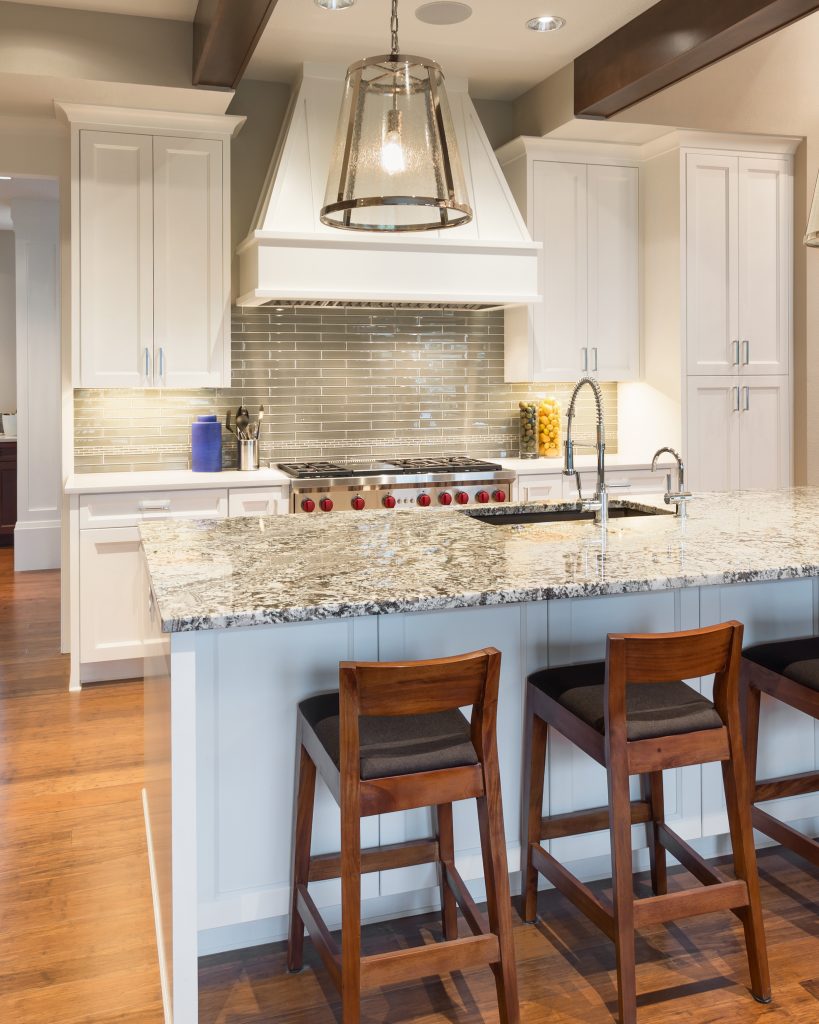
FAQ About Marble Kitchen Countertops
Is marble a good material for kitchen countertops?
Yes, marble is a beautiful natural stone for kitchens, especially for homeowners who appreciate unique veining and timeless style. However, marble requires more care than quartz and may develop scratches or etching over time.
What is the most popular marble for kitchens?
Carrara marble is one of the most popular options because it offers a classic white-and-gray appearance, broad design versatility, and a lower price than many premium varieties.
Is Calacatta marble worth the higher price?
Calacatta marble may be worth the higher price if you want bold veining and a luxury appearance. It is particularly effective on large islands or in kitchens with simple cabinetry.
Is honed marble better than polished marble?
Honed marble is often preferred by homeowners who want a matte finish and a more relaxed look. Polished marble is better for those who prefer a glossy surface that enhances the stone’s color and veining.
Can marble countertops be damaged by lemon juice?
Yes. Lemon juice and other acidic substances can cause etching on marble. Spills should be wiped up quickly, and acidic or abrasive cleaners should be avoided.
How often should marble countertops be sealed?
The sealing schedule depends on the marble’s porosity, the type of sealer, and how frequently the kitchen is used. Many homeowners may need resealing every one to two years, but a stone professional should provide a recommendation for the specific material.
Is marble more expensive than granite?
Some marble varieties are less expensive than premium granite, while luxury marbles such as Calacatta and Statuario can be significantly more expensive. Pricing depends on the slab, availability, fabrication, and installation requirements.
Where can I get a quote for marble countertops?
Homeowners looking for marble countertops Murfreesboro, TN can contact Granite Empire of Gallatin to discuss available materials, countertop measurements, installation services, and project pricing. A personalized estimate is the best way to understand the total cost for a specific kitchen.
Contact Granite Empire of Gallatin
For marble countertop options, professional fabrication, and kitchen countertop installation, contact Granite Empire of Gallatin.
Granite Empire of Gallatin
Address: 585 N Council Ave, Gallatin, TN 37066
Phone: (615) 900-2229
